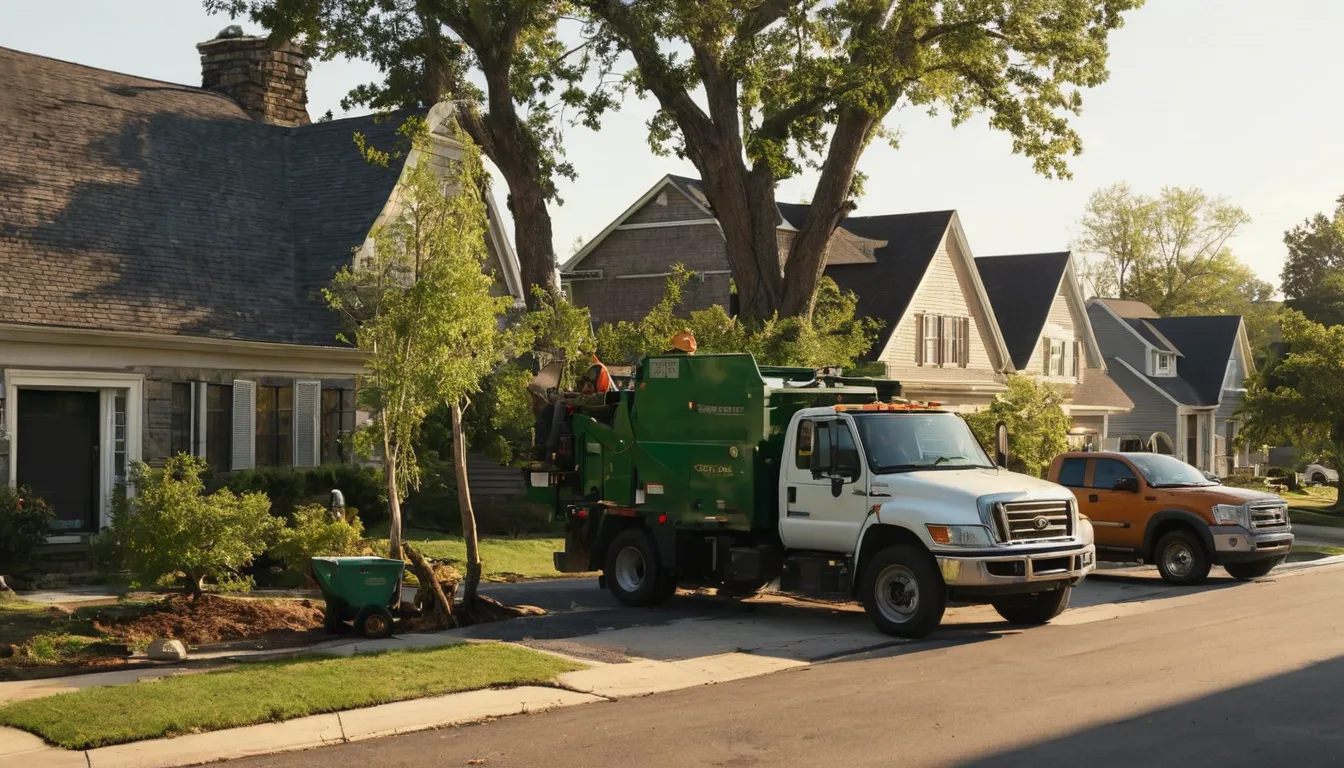
Need stump grinding in Harrison?
Send a request and tell us about the tree. A local provider in our network can follow up with next steps and a written quote.
No obligation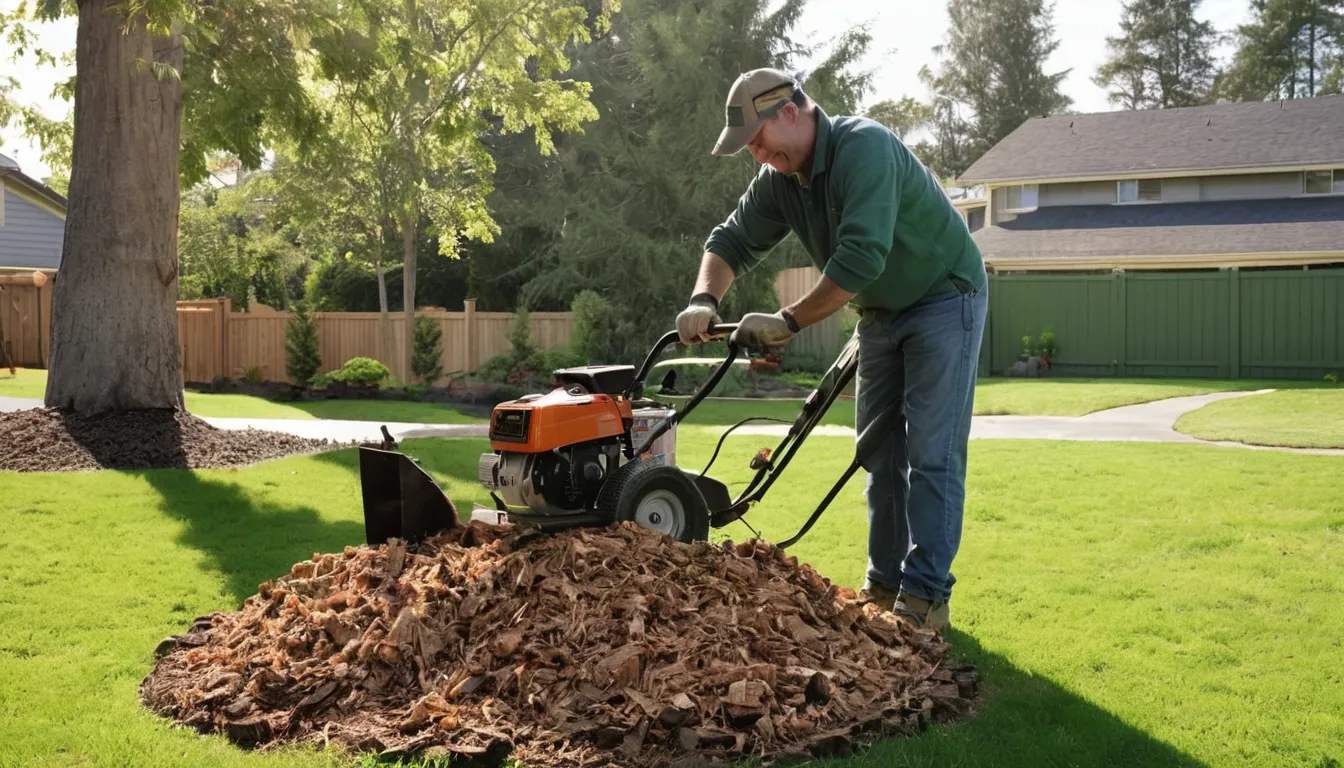
Request a stump grinding estimate
Grind it now. That is the short answer. A fresh stump is easy work for a grinder. An old one is harder, and it brings rot, pests and sprouts along the way. Time works against you here.
Hillarycats Tree Service does not run grinders. We are a referral service. We connect homeowners in Harrison and the Harrison area with independent local providers who grind stumps. You tell us about the stump, request an estimate, and a provider in our network follows up. Prices and schedules vary by provider and by job. Always ask for a written quote. This page walks you through what a stump does over time, what grinding involves, and what to ask before the work starts.
Grind the stump. Do it soon. A stump does not heal or fade away. It rots slowly, and the yard pays for it the whole time.
This page shows what happens as time passes. Then it covers how grinding works and what to ask. A local provider does the work. Hillarycats Tree Service helps you reach one.
Answer first. Newer stumps are cheaper and easier to grind. Here is why.
The wood is fresh and firm. The roots still hold tight. A grinder cuts through it cleanly. This is the easiest window for the job.
The outer wood starts to soften. Moisture gets in. Sprouts may push up from the base or the roots. Your mower starts to dodge it, and you start to dread it.
Cold, snowy winters add stress. Water seeps into cracks, freezes, and splits the wood. Thaw comes, and the cycle repeats. The stump gets rough and uneven. Snow also hides it, which makes it a trip hazard.
The center turns spongy. Insects move in. Fungus can show up around the base. Big roots keep spreading underground, even as the top decays. Grinding still works at this stage. It just takes more time and care.
Short list. Real problems.
Decaying wood draws ants, termites and beetles. Older homes with wood trim and stone or block foundations deserve extra caution. Ask a provider about stumps close to the house.
Many stumps send up shoots. You cut them back. They return. Grinding removes the wood that feeds them.
A stump low to the ground is easy to miss. Kids, guests and mowers all find it the hard way.
A stump blocks new grass, a patio, a garden bed or a fence line. Grinding gives that space back.
A provider brings a grinder with a spinning cutting wheel. The operator sweeps it side to side across the stump. It chips the wood away, usually several inches below ground level.
The result is a pile of wood chips. The root system underneath is mostly left to decay. Most jobs take under a couple of hours, though large stumps take longer.
Grinding cuts the stump down below the surface. Removal pulls out the stump and much of the root ball with heavy equipment.
Grinding is less messy. It is the usual choice for lawns and tight yards. Removal makes sense when you plan to build over the spot. Tell the provider what you plan to do there.
Size matters most. Wide stumps cost more than narrow ones. Roots above ground add work.
Access matters too. A narrow gate, a steep slope or a fenced-in yard can slow the crew. Hard, dense wood also takes longer. See the cost table below for typical U.S. ranges. Always get a written quote.
A little prep keeps things moving.
Maybe a tree came down last year, or the previous owner left stumps behind. Same plan applies. Older stumps are still grindable. Be ready for a slightly higher quote, since hard or decayed wood can slow the work.
If you have several stumps, ask about grinding them in one visit.
Older neighborhoods often have narrow side yards and close fences. Stone walls and block foundations sit near many trees. Smaller grinders can fit through many gates. Tell the provider about the layout so they can plan the right machine.
You will have a mound of wood chips. Decide what to do with them.
Fresh chips settle over time. Top off the soil after a few weeks.
Keep it simple. Ask these.
Get answers in writing. A good provider will not mind.
Send in the request form with a few details. Stump size, location and access are enough. A provider in our network will follow up with next steps.
Prefer to talk? Request a callback to check provider availability.
That is the plan. Request an estimate first. Use the phone as backup. The stump is not going anywhere on its own, but waiting only makes it harder.
A grinder chips the stump down below ground level, leaving mulch and room to replant.
Providers can cut surface roots that trip people, lift walkways or block the mower.
Have several stumps? Many providers can grind them all in one visit for easier scheduling.
Ask about hauling the wood chips away, or leaving them for mulch and filling the hole.
These are typical U.S. ranges. Real prices vary by stump size, access, wood type and cleanup. Treat the numbers as a guide, and get a written quote from the provider.
| Item | Typical range | Notes |
|---|---|---|
| Small stump (under 12 in.) | $100 – $250 | Often quick work with easy access |
| Medium stump (12–24 in.) | $150 – $450 | Most common residential size |
| Large stump (24 in. and up) | $300 – $800 | More wood, more time, bigger machine |
| Several stumps in one visit | $250 – $1,200 | Total depends on count and sizes |
| Tight or sloped access | $50 – $250 extra | Narrow gates may need a smaller grinder |
| Chip haul-off or topsoil fill | $50 – $250 | Ask if it is part of the quote |
Share the size, location and how easy it is to reach, with a photo if you have one.
Send the form. A provider in our network reaches out with details.
Ask what is included. Get the price in writing before work starts.
Pick a time that works. Clear the path, and the provider handles the rest.
Hillarycats Tree Service connects you with independent providers. The provider does the work and gives the quote.
Short pages, clear steps and no confusing jargon.
Send your request, compare options, and decide at your own pace.
Providers in our network know area yards, soil and weather.
Send a request and tell us about the tree. A local provider in our network can follow up with next steps and a written quote.
No obligationYou can wait, but it gets harder. Wood softens, roots spread and sprouts appear over time. Older stumps can still be ground, though the job may cost more. Request an estimate while the stump is still sturdy.
No. Grinding chips the stump down below ground and leaves the roots to decay. Removal pulls out the stump and much of the root ball. Grinding is usually simpler and leaves less mess.
Grass usually works once you fill the hole with topsoil. For a new tree, ask the provider to grind deeper or remove the chips. Leftover wood can settle and hold back young roots.
Send a request and tell us about the tree. A local provider in our network can follow up with next steps and a written quote.
No obligation