Need emergency tree removal in Harrison?
Send a request and tell us about the tree. A local provider in our network can follow up with next steps and a written quote.
No obligation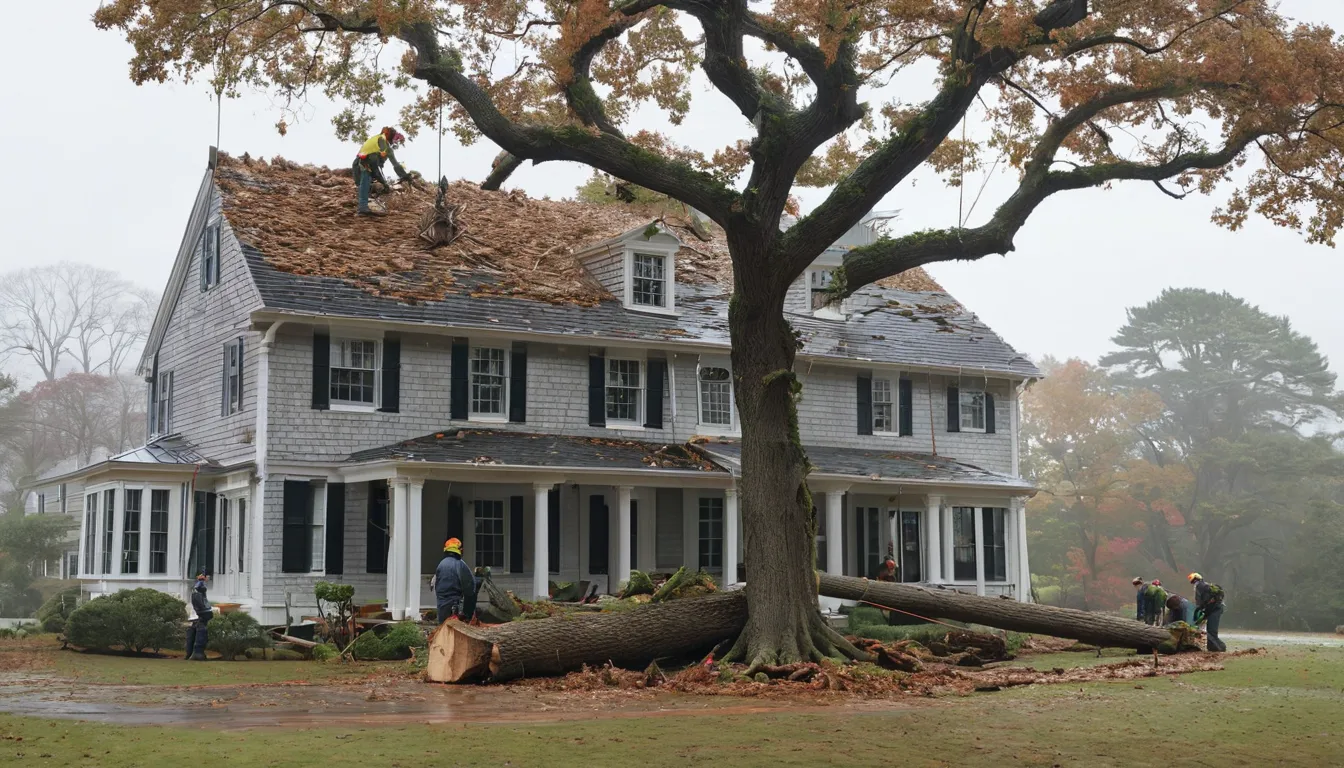
Answer first: if a tree has fallen or is about to, stay clear and request an estimate. A local provider in our network can assess it, make it safe and clear it. We do not cut trees ourselves. We connect you with independent providers who do.
The reason is timing. A fallen tree does not stay the same. Wet wood shifts, water gets in, and snow adds weight. Small problems on day one become big repairs by day four. This page shows what happens hour by hour, walks you through the first hour, and explains how storm tree clearance works so you can decide calmly.
Answer first. Move away from the tree and anything it touches. Then request an estimate from a provider in our network.
Keep clear of power lines. A line can be live even when it looks still. Keep kids and pets inside. Do not stand under a leaning trunk or a hanging limb.
If a line is down, or someone is hurt or trapped, contact emergency services first. Come back here after that.
These are urgent:
These can wait a few days: a dead tree far from the house, or a limb over an empty corner of the yard. Still get it looked at.
Times below are typical. Every tree and every storm is different.
The tree is at its most unstable. Branches may be under tension. Nothing has soaked in yet. This is the hour to stay safe, take photos and reach out.
Wet wood is heavy. Weight on a roof can shift as wind picks up. A punctured shingle lets rain in. In cold weather, snow adds load to an already stressed frame.
Water reaches insulation and ceilings. Leaning trees can keep moving. Providers also get busy after a big storm, so waiting often means a longer line.
Damp wood starts to rot. Mold can form in attics and walls. Ice can widen cracks in wood and in masonry. Repairs get bigger and claims get harder to document.
Take it in this order:
Breathe. You do not have to fix it tonight. You only have to make the next move.
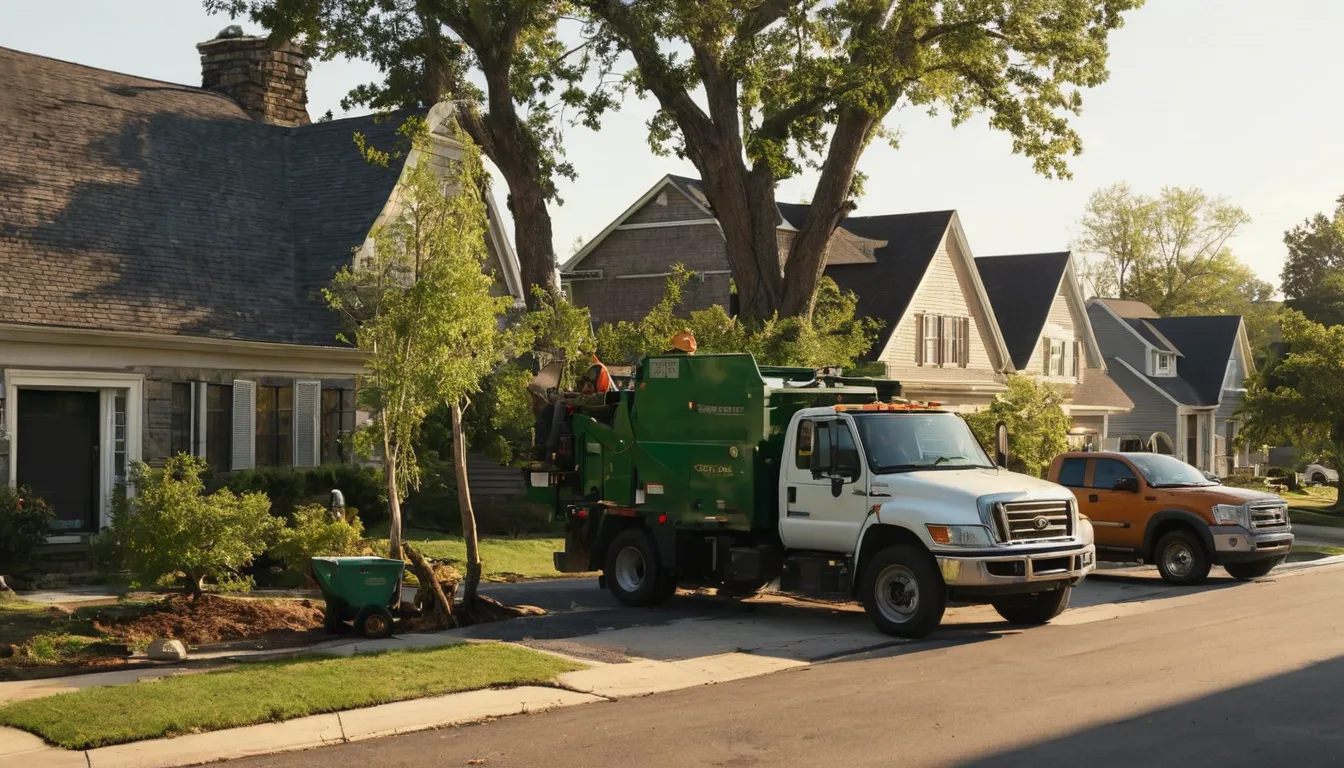
This is what a tree falling service usually does on an urgent job. The provider looks at the tree and the site first. Then they cut off the pressure points and take the tree down in sections. For a tree on a house, they often lift pieces off with ropes or a crane.
Next comes storm tree clearance. That means hauling brush, logs and debris off the driveway, roof and yard. Many providers can also set up a temporary cover plan for the roof or point you to someone who does.
Snow load, ice and wind can bring down trees that looked fine. Spring snowmelt leaves soil soft, so roots let go. Frozen ground can slow heavy equipment.
Older homes add risk. Stone and block foundations, steep Cape Cod roofs and tight multi-family lots leave little room to work. A provider who knows these homes will plan the drop carefully.
Some policies may cover sudden damage from a fallen tree. Check your own policy to be sure. Rules differ by policy and by cause.
Providers can often help document damage for a claim. Ask for a written estimate and an itemized invoice. Keep your photos. Do not toss damaged parts until your insurer says you can.
Expect delays. Many homes are hurt at once, so providers triage. Trees on houses and blocked roads usually go first.
Expect a quick look before a quote. Some jobs start the same visit. Others need a crane booked. Ask for a plain timeline.
Look up. Dead limbs, cracks, mushrooms at the base and a lean are warning signs. Trim weak limbs in calm weather. Remove a tree that is failing before the next storm picks the time for you.
The form is the quickest start. Request a callback to check provider availability if you want to talk it through.
Providers cut and lift trees off roofs, cars, fences and driveways in safe sections.
Cracked or hanging limbs are taken down before they drop on people or property.
Logs, brush and debris are hauled from your yard, driveway and access routes.
A provider looks at the tree, the house and the risks before any cutting starts.
Costs vary by tree size, access and damage. These are typical U.S. ranges only. Emergency jobs often cost more. Always get a written quote before work starts.
| Item | Typical range | Notes |
|---|---|---|
| Small fallen tree, clear yard | $300 – $900 | Easy access, no damage |
| Large fallen tree, clear yard | $1,000 – $3,000 | Size and weight drive price |
| Tree on a roof or house | $1,500 – $5,000+ | Extra care, rigging or crane |
| Crane for lifting | $500 – $2,000 | Often billed per hour |
| Hazard limb removal | $250 – $1,200 | Depends on height and reach |
| Debris haul-away | $150 – $700 | Some quotes include it |
Move away from the tree and any power lines. Keep people and pets clear.
Shoot wide and close-up pictures from a safe spot for your records.
Tell us what you see and where. A provider gets in touch.
Review the written quote, ask questions, and pick a start time.
You get clear steps and plain facts, so you can act without guessing.
Independent providers in our network work in your area.
Request an estimate and decide for yourself.
Simple steps help you stay steady in a stressful hour.
Send a request and tell us about the tree. A local provider in our network can follow up with next steps and a written quote.
No obligationGet everyone out and away from the tree and any power lines. Contact emergency services if someone is hurt or a line is down. Then take photos and request an estimate.
Some policies may cover sudden damage from a fallen tree, but rules vary. Check your policy and ask your insurer. Providers can often help document the damage, so keep photos and a written invoice.
It depends on the provider, the weather and how many homes were hit. Many providers can respond quickly, and trees on houses usually go first. Request a callback to check provider availability, or request an estimate.
Send a request and tell us about the tree. A local provider in our network can follow up with next steps and a written quote.
No obligation